Hardware & Lab Engineering
From Drosophila sleep-tracking arrays to hydroponic grows and unconventional computing prototypes — hands-on engineering across domains.
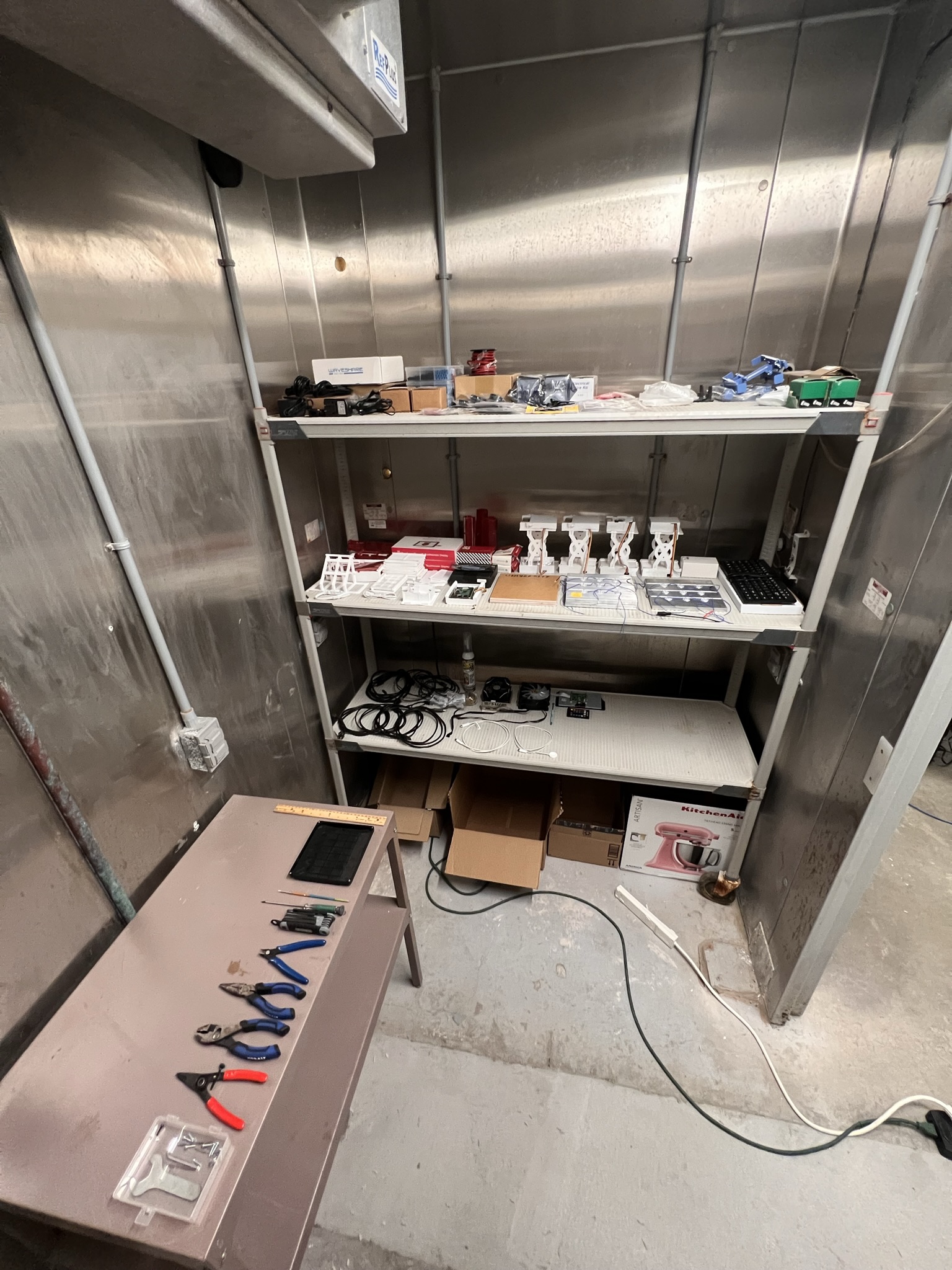
Ethoscope Array
High-throughput Drosophila behavior and sleep tracking system. Ethoscopes use machine vision and real-time tracking for long-duration experiments with minimal manual intervention.
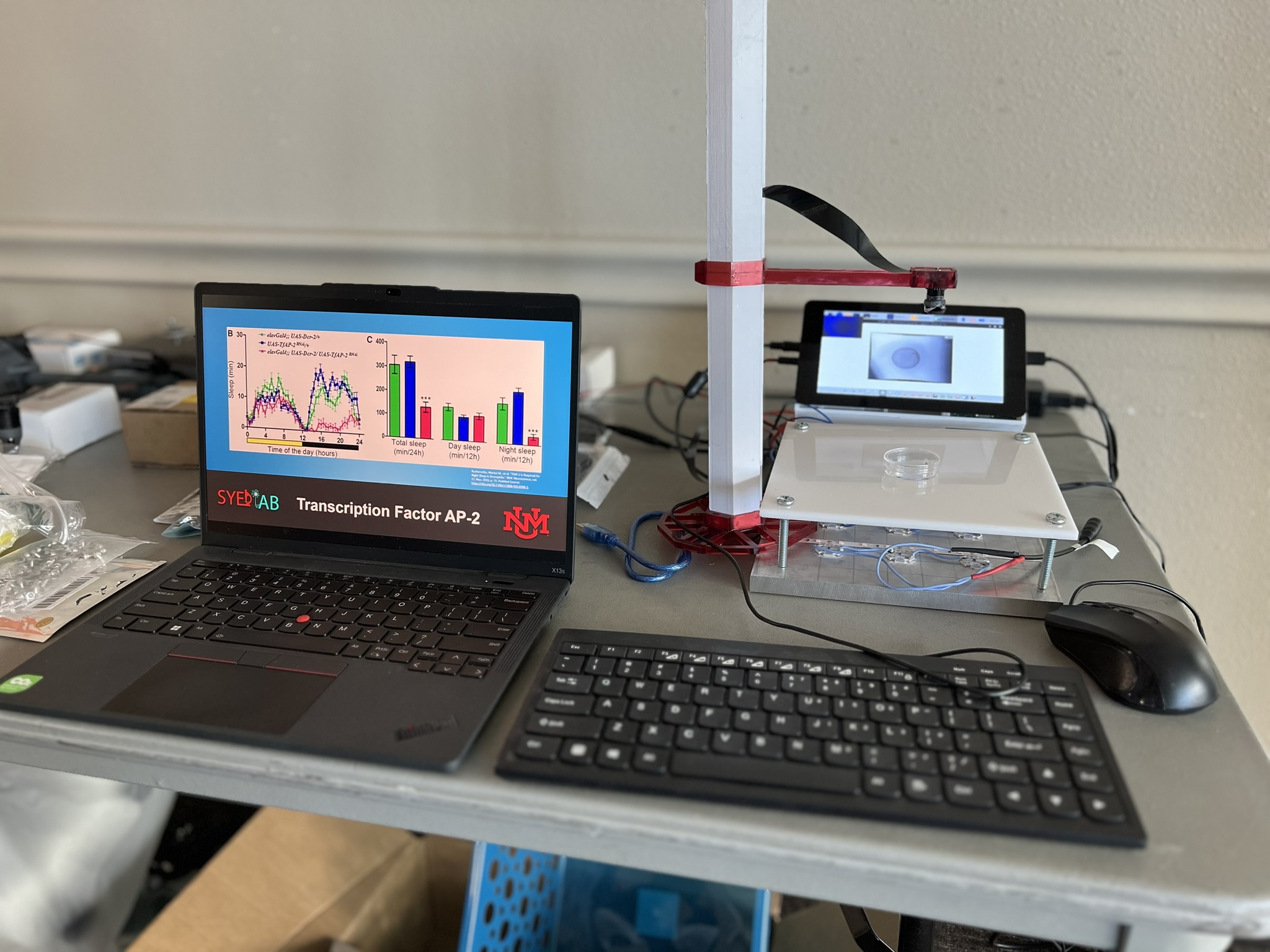
PiVR System
Raspberry Pi Virtual Reality system for closed-loop optogenetic and thermogenetic experiments on freely moving insects. Enables real-time stimulus delivery based on animal position.
Peristaltic Pump System
Custom-built peristaltic pump for precise fluid delivery in biological experiments. Designed for controlled drug administration in ethomics setups.
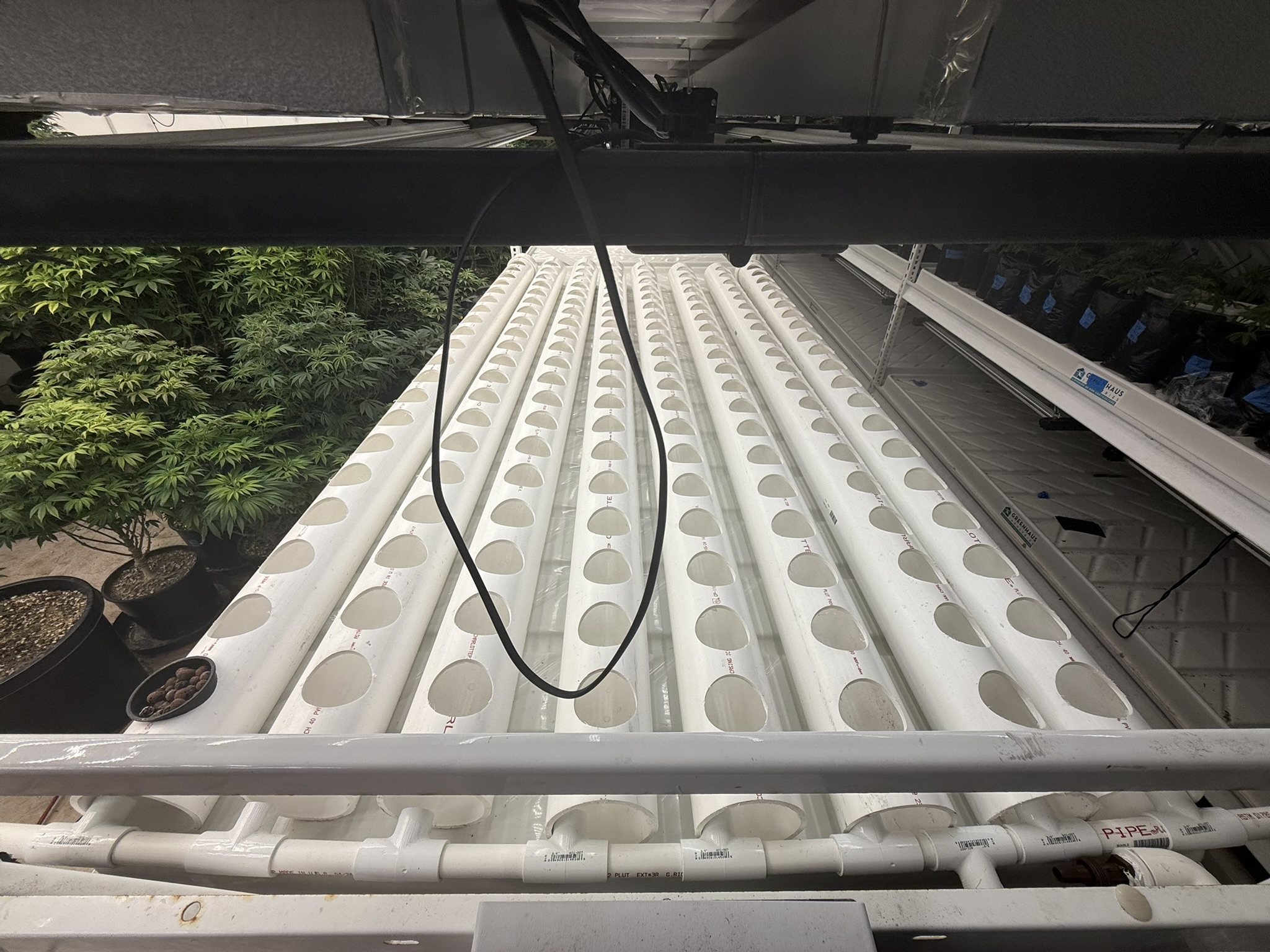
Shallow Water Culture Grow
Hydroponic shallow water culture (SWC) system for cannabis vegetation. Optimized for root oxygenation, nutrient uptake, and rapid vegetative growth.
Seedling Propagation Station
Controlled-environment seedling propagation system for starting clones and seedlings under optimized light, humidity, and temperature conditions before transplanting to vegetative growth systems.
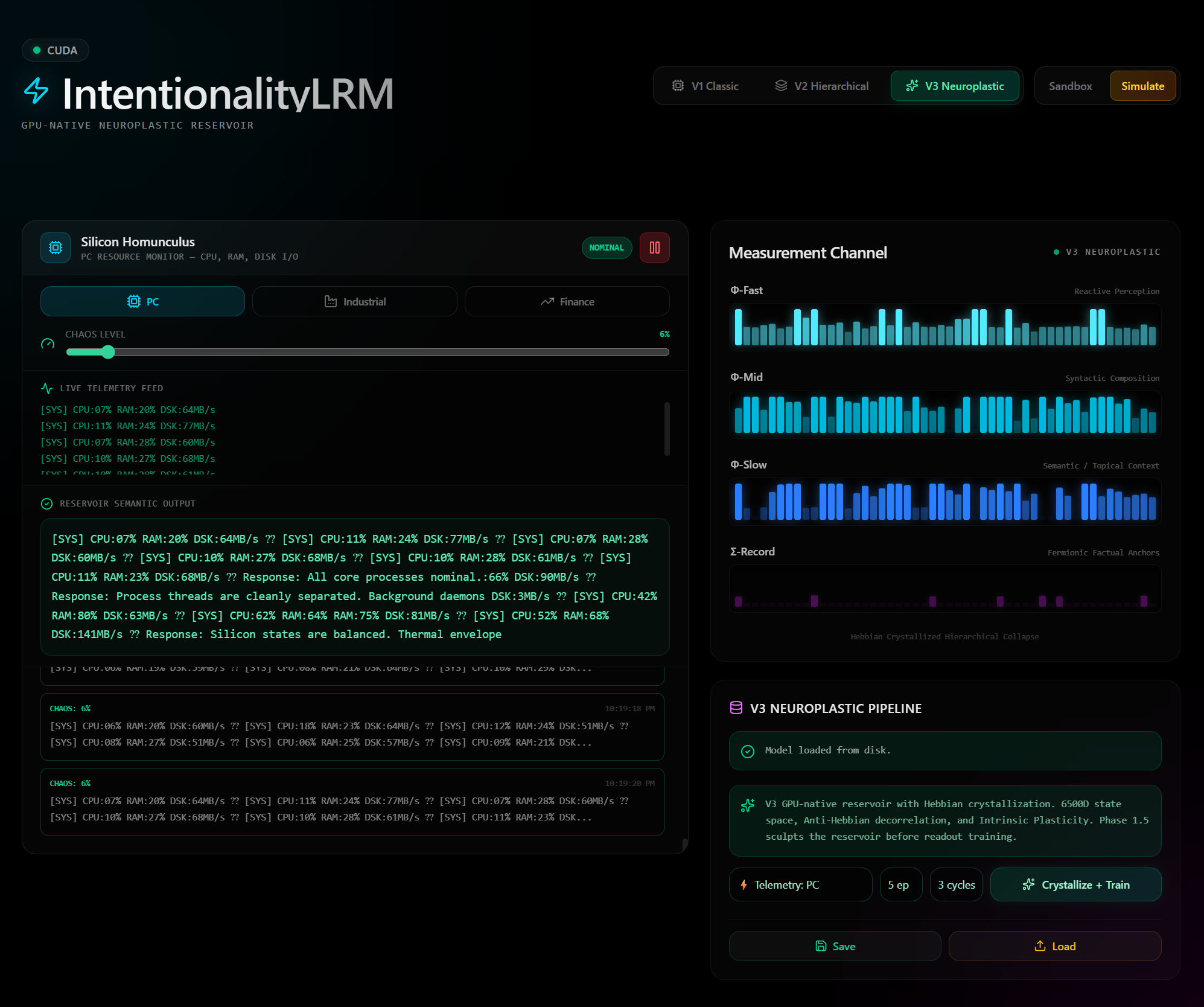
Microtubule Cymatic Reservoir Computer
A GPU-native, neuroplastic Language Reservoir Model (LRM) built to simulate biological cytoskeletal dynamics. It features a 6,500-dimensional, 4-layer hierarchical architecture (Φ-Fast, Φ-Mid, Φ-Slow, Σ-Record) that utilizes Hebbian and Anti-Hebbian learning alongside Intrinsic Plasticity. The system uses Jaeger Conceptors to govern intentional state spaces, allowing it to translate chaotic real-time telemetry into coherent semantic responses.